

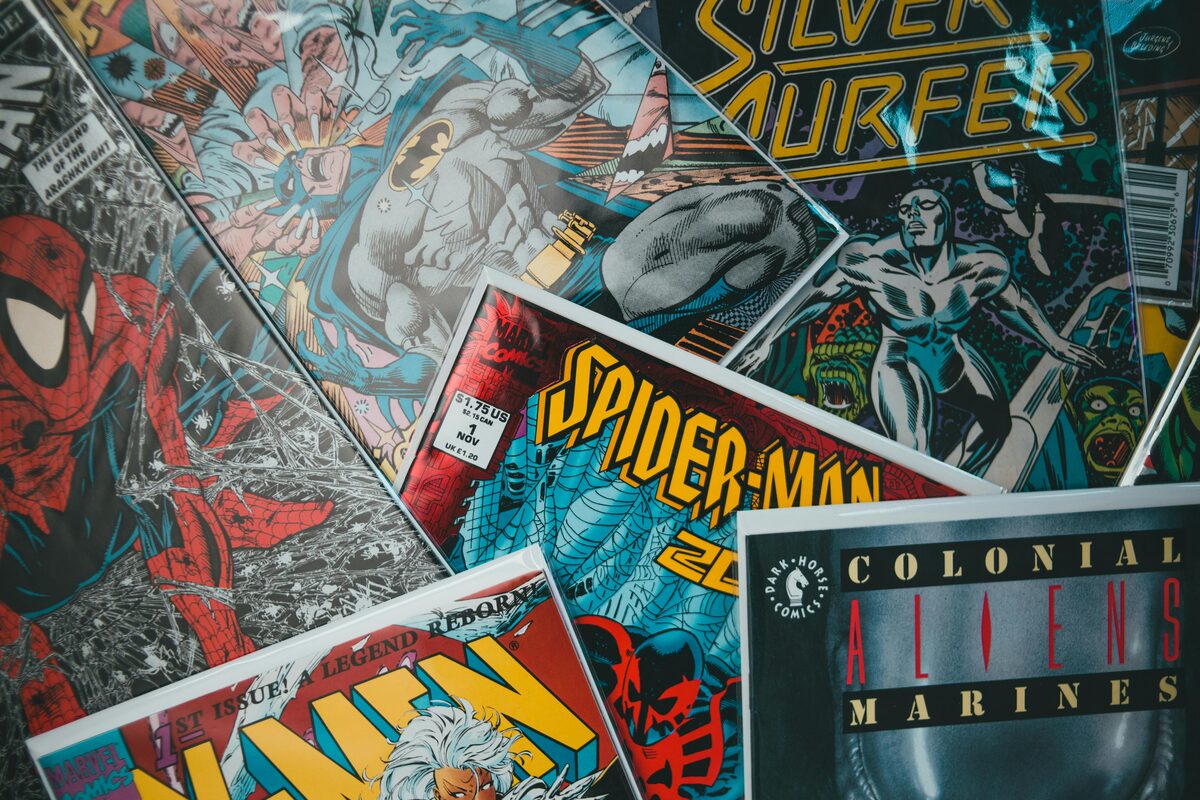
Starting a comic collection in 2026 is easier and more accessible than it has ever been. The secondary market is vast, grading services have professionalized the hobby, and digital tools make tracking and valuing your collection straightforward. But the sheer volume of options can be paralyzing for beginners. Here is a practical roadmap to get started without overthinking it.
Collect What You Love
This is the single most important piece of advice anyone will give you, and most new collectors ignore it. The temptation is to chase whatever is "hot" — the latest movie announcement, the trending first appearance. But hot books cool down, and if you do not genuinely care about the character or story, you will regret overpaying when the hype fades. Start with characters, titles, or eras that excite you personally. The financial side will follow if you buy smart.
Where to Buy
- Local comic shops (LCS): The backbone of the hobby. Build a relationship with your shop. They can set aside books, offer fair prices, and guide you away from bad purchases.
- Conventions: Great for finding deals on back issues and meeting other collectors. Bring a want list and a budget.
- Online marketplaces: eBay, Mercari, and comic-specific platforms offer the widest selection. Always check seller ratings and look at photos carefully before buying raw books.
- Estate sales and garage sales: The long shot, but when it hits, it hits. Bring your phone and know your values.
Storage Matters From Day One
Bad storage destroys value silently. Invest in acid-free bags and boards from the start — they cost pennies per comic and prevent yellowing, foxing, and spine damage. Store books upright in short boxes (easier to manage than long boxes) in a cool, dry environment. Never store comics in attics, garages, or basements where temperature and humidity fluctuate.
Set a Budget and Track Everything
Comic collecting is a hobby that can quietly eat your wallet if you are not careful. Set a monthly budget and stick to it. More importantly, track your collection digitally from the beginning. Knowing exactly what you own, what you paid, and what it is worth today prevents duplicate purchases, helps with insurance, and makes selling easier when the time comes.
A collection of 50 comics you love and can describe in detail is worth more to you — emotionally and often financially — than 500 random books in a closet.
The best collections are built slowly, intentionally, and with genuine enthusiasm. Welcome to the hobby.